
The brand pays
For an agreed product appearance in a defined scene, market, channel and campaign window.

Shuffle / by Didijah
Yesterday’s product. Today’s successor.
A new, authorised life for the scene.

Still on screen. No longer on the shelf.
Interactive concept illustration. The scene is synthetic; this is not an engine demonstration.
The picture is only the beginning.
The brand brings the product. The rights holder approves the use. Shuffle’s proposed service connects the work.
For an agreed product appearance in a defined scene, market, channel and campaign window.
Licence proceeds from another authorised use of content, with agreed participant shares.
For production and services, transactions, and planned platform access for repeat partners.
The proposed commercial model. Fees and participation are agreed for each deal; placement budgets are not all Shuffle revenue.
A product update. Another campaign. A separately approved market. Look closer.
Explore one fictional example. Every new use stays within its agreed permissions.
The client funds the agreed licence and separately quoted work. The rights holder authorises release. Shuffle’s fees are itemised.
Illustration of the proposed workflow, not an executed licence or live transaction.
The client brings a brief; the rights holder offers scenes and sets boundaries.
Define product, territory, channel, term, fees and payment milestones.
The brand and rights controller agree the licence and required permissions.
Review the exact rendered version, including product treatment and effect on the story.
Use the agreed settlement route. The rights holder authorises release when conditions are met.
Review available delivery and usage evidence; agree a renewal, new scope or authorised fallback.
Ownership stays with its owner. A new market or term may need new permissions and approvals. Expiry follows the agreement and participating distribution routes.
Our ambition: do for digital assets what iTunes did for music.
Connect discovery, permission and payment—so a useful asset can find its next commercial life.
Start with one placement. Connect its assets, permissions and future uses.
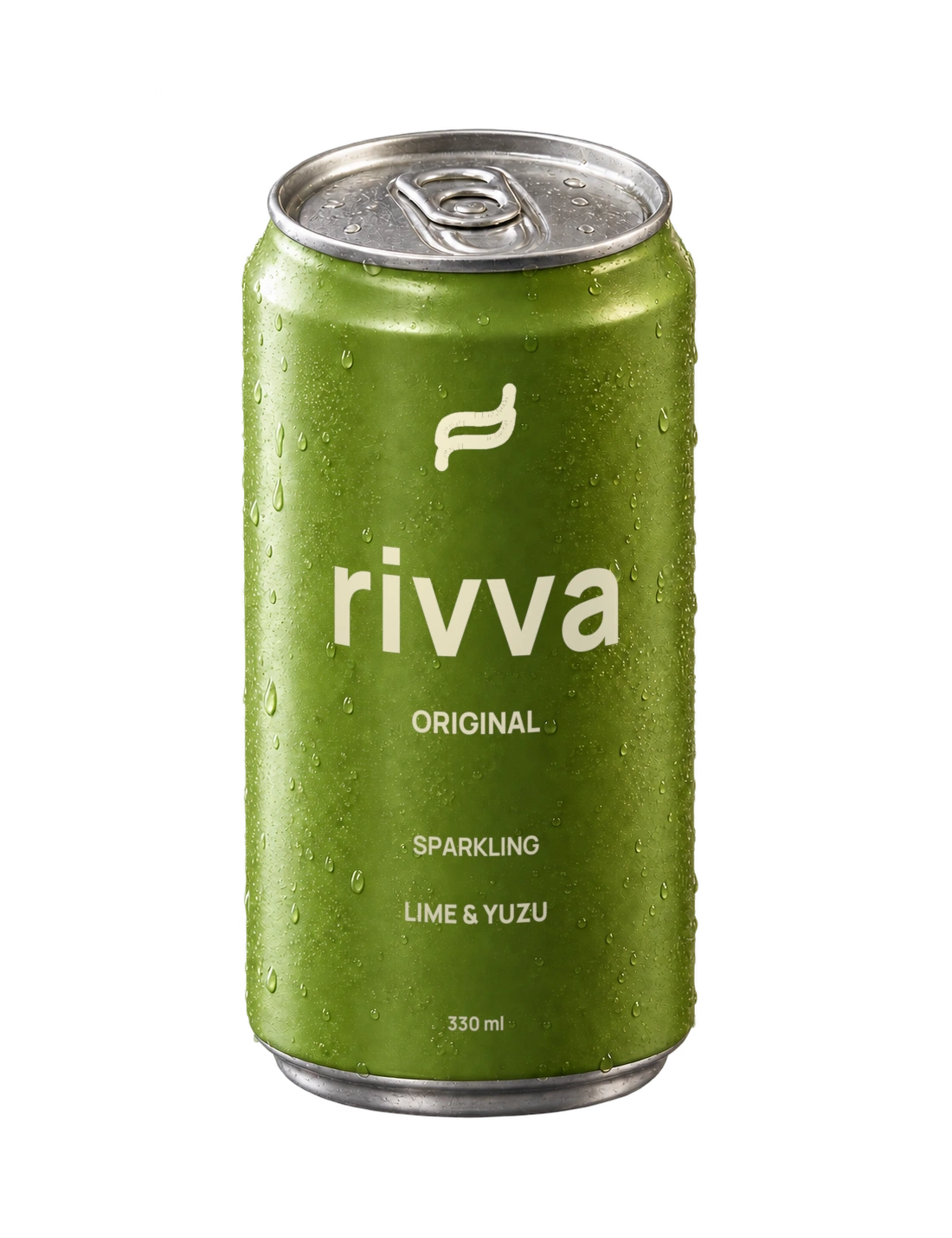
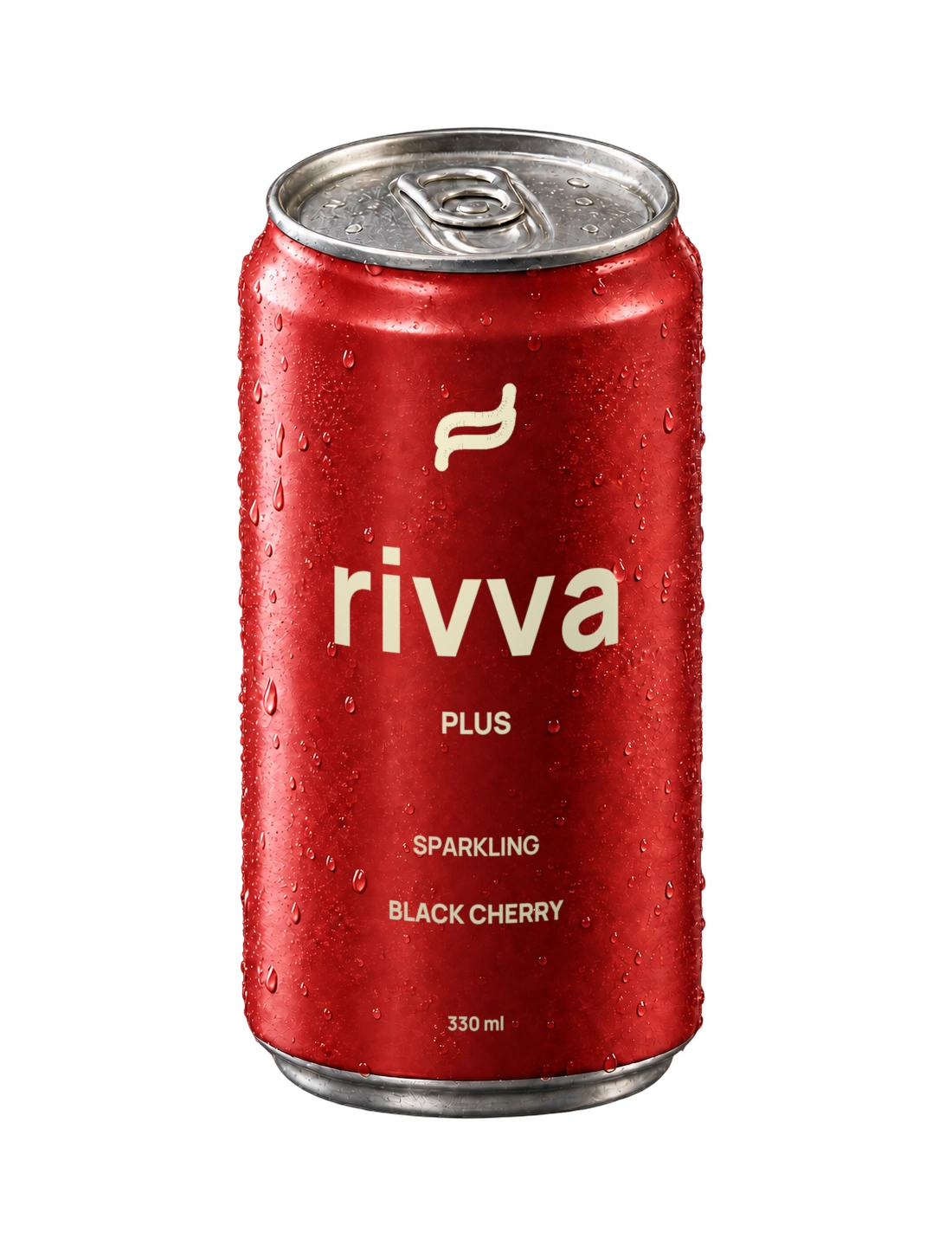
The can is the starting point. The repeatable commercial relationship is the ambition.
One authorised refresh. One paying partner. A reason to come back.
Our proposed starting point: an independent content owner with authority over its catalogue and distribution, an existing brand relationship, and a same-shape product refresh.
A defined first use before a wider marketplace.The planned path starts with paid production and service work, then transaction fees and recurring platform access as relationships repeat.
The test: the value and effort of the next deal.Connected permissions, approvals and version history could make later campaigns easier to agree and deliver. Trusted access and repeat use are advantages to earn.
The opportunity extends beyond rendering alone.A local catalogue and placement workflow, with synthetic tests described in the current project record.
Demonstrate the replacement workflow against agreed visual and delivery criteria.
Measure clearance effort, revisions, delivery cost, contribution and appetite for another campaign.
Project evidence dated 5 October 2026. The concept imagery on this page does not establish production capability, customers or revenue.
Founder · Shuffle by Didijah · New Zealand
Films, workflow and visual studies.
An earlier SHIFT packaging study imagines the green-to-red refresh in a moving scene.
15 seconds · Silent generated simulation. Different fictional packaging from the RIVVA example above.
Product imagery, dimensions, authorisation and export records prepare an asset for its next use.
Collect · Prepare · Authorise
Select a placement, follow its movement, apply the replacement and inspect the result.
Select · Track · Swap · Check
Product direction and local development workflow. These descriptions do not claim a validated production engine.

The product looks placed on top of the picture. Light and contact fail to connect.
Light, perspective and contact make the product belong in the scene.
Retained creative comparison. Both are illustrations, not a before-and-after engine benchmark.
The first customer. The next proof. The work ahead.
Open the investor briefing The proposition, business model and next proof milestone.